
Welcome to the Kanter Laboratory
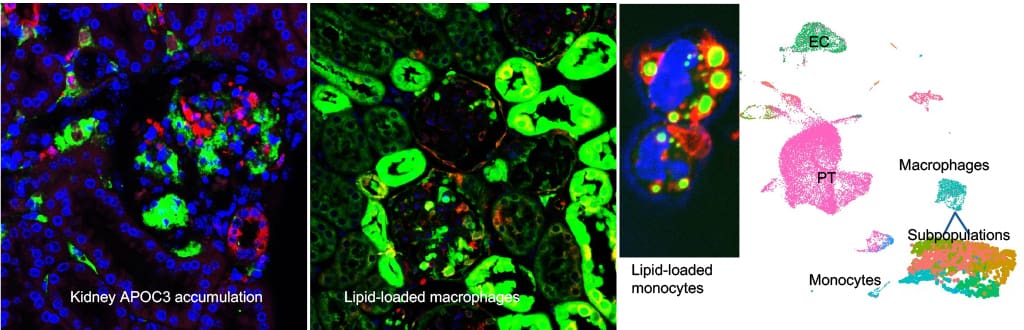
The Kanter Laboratory Investigates Molecular Mechanisms That Result in Complications of Diabetes
Diabetes is increasing worldwide alongside rising rates of obesity. As a result, complications such as diabetic kidney disease and cardiovascular disease are becoming increasingly common. The Kanter Laboratory studies how metabolic disturbances in diabetes alter immune and kidney cell biology, driving these complications. Our research focuses on understanding how metabolism, inflammation, and lipoprotein biology intersect to promote tissue injury in the kidney and vasculature. The Kanter Laboratory takes a human-first approach, using insights from human studies to guide mechanistic investigation in experimental models.

Research Themes
Immune Cell Activation in Diabetes
A major focus of the laboratory is to understand how myeloid cells, including monocytes and macrophages, respond to the metabolic environment in diabetes. These immune cells play a central role in inflammatory processes that contribute to tissue injury. We study how diabetic conditions alter immune cell activation and function, with the goal of identifying the molecular pathways that drive inflammation and accelerate complications such as kidney disease and atherosclerosis.
Lipoproteins, Dyslipidemia, and Inflammation
Diabetes is frequently associated with dyslipidemia, including elevated triglyceride-rich lipoproteins. These changes can influence both vascular disease and diabetic kidney disease. Our work investigates how alterations in lipoprotein composition and levels regulate immune cell activation and contribute to diabetic complications. By studying how metabolic signals interact with immune pathways, we aim to understand how dyslipidemia promotes chronic inflammation.
Targeting Proximal Tubule Metabolism in Kidney Disease
The proximal tubule is one of the most metabolically active segments of the kidney and is particularly vulnerable to metabolic stress in diabetes. Research in the laboratory focuses on understanding and targeting the metabolic dysfunction that develops in these cells under diabetic conditions. In collaboration with other groups, we are also developing strategies to selectively target proximal tubule cells in order to manipulate metabolic pathways and test their role in kidney injury.
Interactions Between Kidney Disease and Atherosclerosis
Patients with diabetic kidney disease have a markedly increased risk of cardiovascular disease, yet the mechanisms connecting these conditions remain poorly understood. To address this question, the Kanter Laboratory has developed a novel experimental model combining diabetic kidney disease and atherosclerosis. This system allows us to investigate both the mechanisms driving each disease and the biological interactions between them. Our work suggests that enhanced inflammatory signaling, potentially driven by diabetic dyslipidemia, may represent a key link connecting kidney injury and vascular disease.
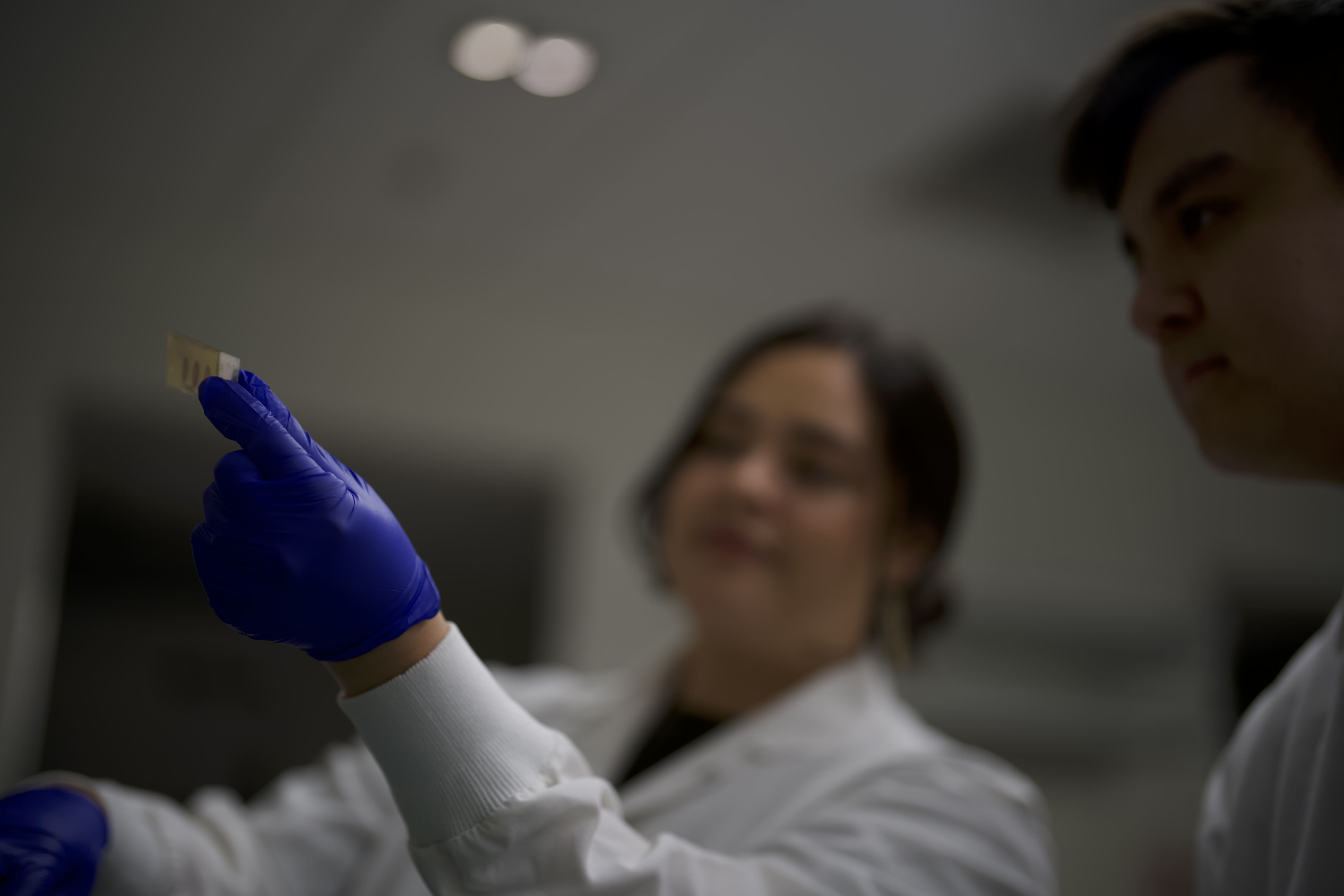

Lab Celebrations




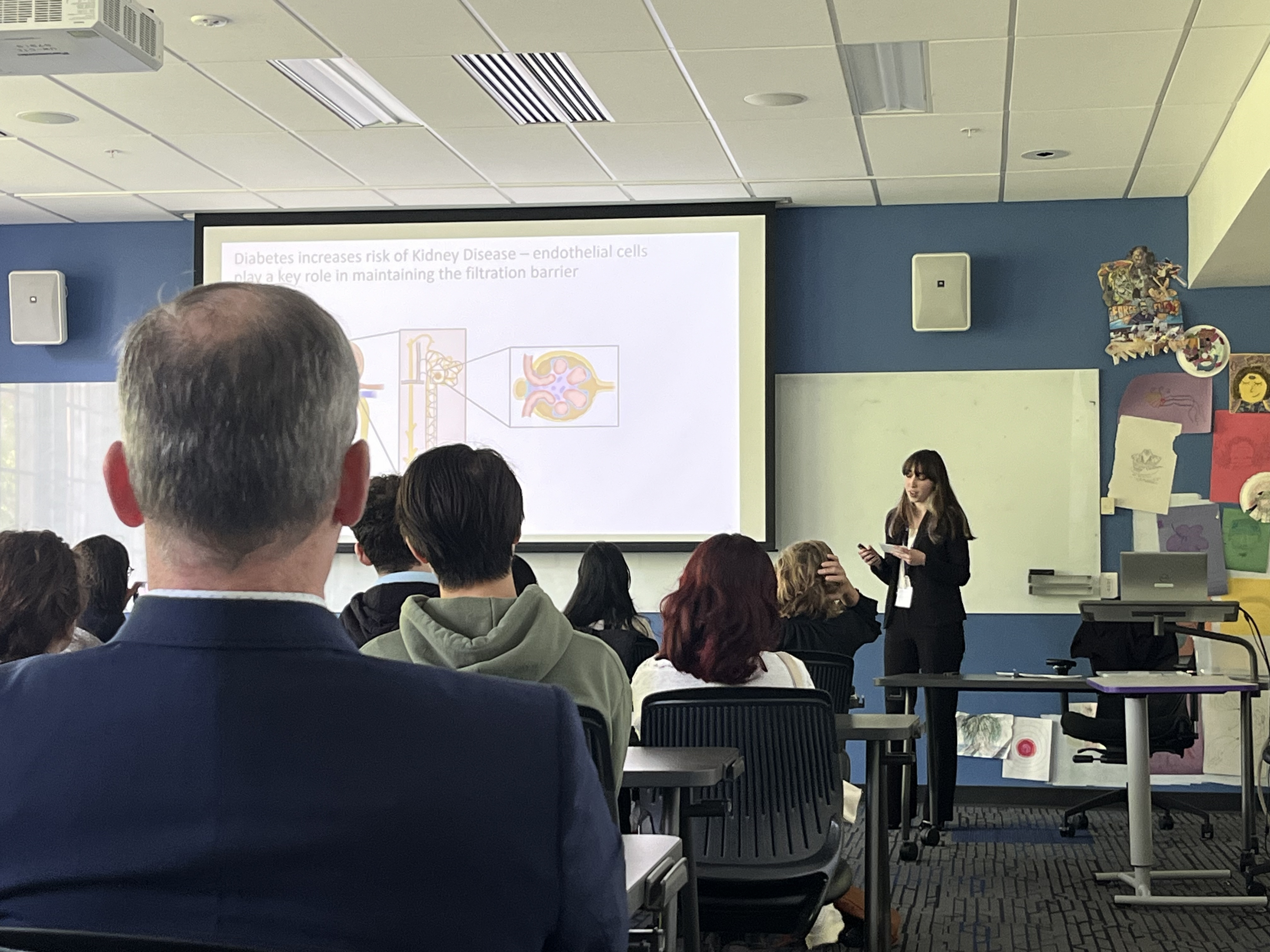

Current and Recent Lab Members








Close Collaborators within UWMDI

Contact Us
Address:
UW Medicine Diabetes Institute
Room F630
750 Republican Street
Box 358062
Seattle, WA 98109
Office Phone: 206 616 6095
Lab Phone: 206 616 3551
To inquire about Postdoctoral and Graduate Student Openings email: jenka@uw.edu