This study looks at how a baby’s brain and early nutrition affect weight and growth in infants of mothers who had gestational diabetes.
Join a Clinical Research Trial at UWMDI
Help advance diabetes research and improve future care.
At the UWMDI, we conduct clinical research studies to better understand health conditions and develop new treatments. By volunteering, you can play an important role in shaping the future of healthcare.
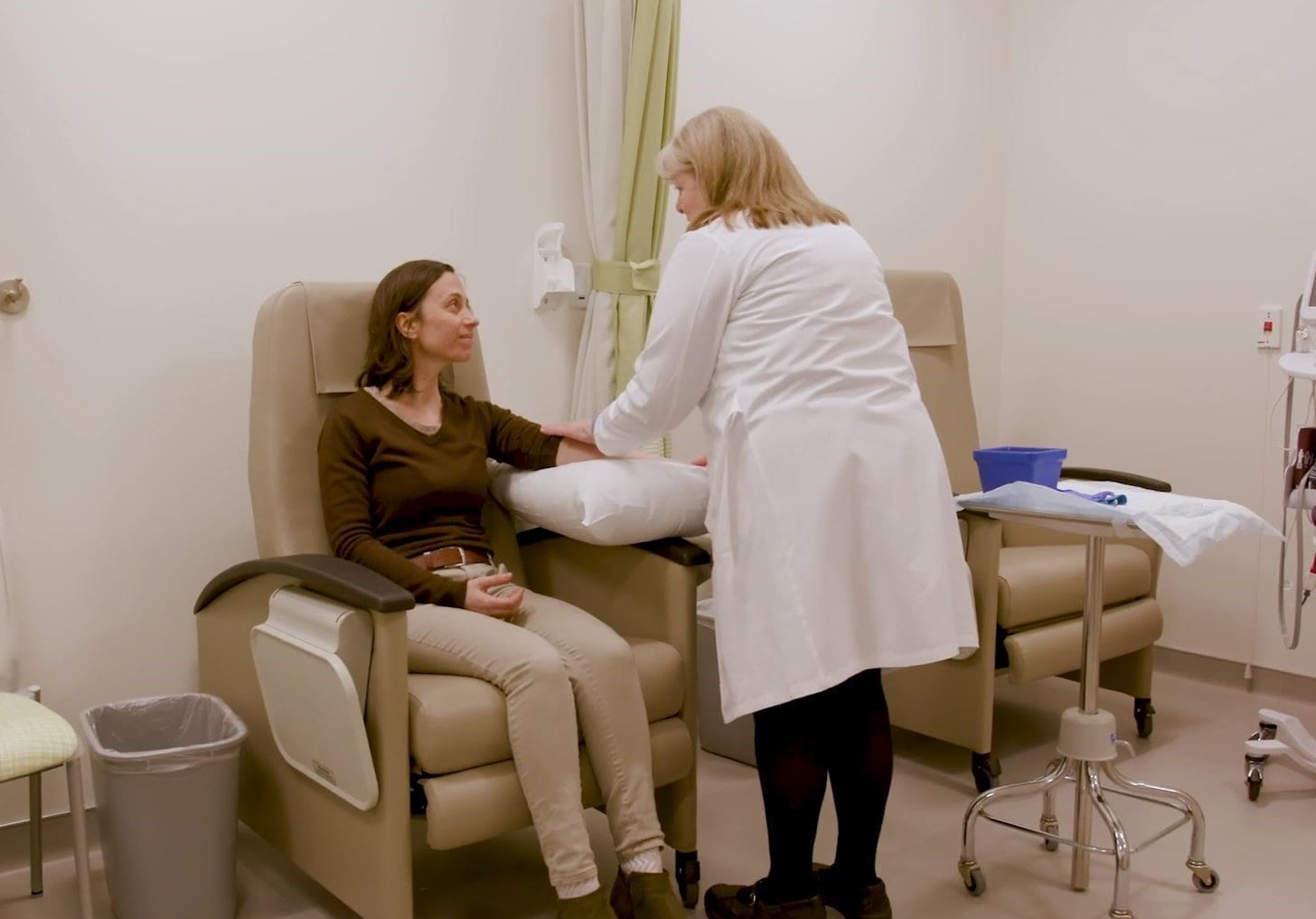
What is a clinical research trial?
A clinical research trial is a study that helps doctors and scientists learn better ways to prevent, diagnose, or treat diseases. Some trials test new treatments while others look at how diseases develop or how to improve quality of life. Participation may involve things like surveys, lab tests, imaging, or trying a new treatment. Volunteers are essential to this process and help researchers make meaningful discoveries.
Who can volunteer?
Many people can volunteer for research studies, though eligibility varies from study to study. Requirements may include factors such as age, medical history, or current health status. Each study has specific criteria so we encourage you to review the study details or contact us to learn more.
Is participation safe?
Each research study follows strict ethical guidelines and undergoes rigorous institutional review for the safety of those involved. Before joining, you will receive detailed information about the study, including any potential risks, so you can decide if it is right for you.
What are the benefits?
Volunteering may provide access to new treatments and detailed information about your health. Participants often receive compensation for their time. Your involvement can help researchers better understand disease and can benefit those who live with health conditions in the future.
How do I sign up?
To sign up, visit our website and fill out the volunteer form. You can also contact us for more information. We’ll guide you through the process and answer any questions.
Research Studies
BIBS2
CATT1
This Phase 3 trial tests whether adding the investigational drug cadisegliatin to insulin can reduce low‑blood‑sugar episodes in people with Type 1 diabetes
MALO
This study tests whether weekly injections of GLP‑1 medicines (retatrutide or tirzepatide) can prevent worsening of high‑risk fatty liver disease.
MANATEE
A placebo-controlled trial examining the combined effects of automated insulin delivery and metformin on metabolic and cardiovascular health in youth with type 1 diabetes. Participants undergo repeated assessments of insulin sensitivity and body composition over four months.
IMST
This study evaluates whether inspiratory muscle strength training can reduce blood pressure and improve cardiovascular and kidney health in youth at risk for type 2 diabetes. It involves a 12-week breathing intervention with physiological and vascular assessments.
PANTHER
This study follows youth through puberty over two years to research how puberty may affect kidney health and diabetes risk factors. This study involves three two day study visits over the course of two years (two days at baseline, and two additional at each year). The study visits entail a kidney MRI, a DEXA scan, and IV placement for kidney testing and insulin tolerance testing.
SUGARNSALT
A large randomized clinical trial testing whether the drug sotagliflozin can slow kidney function decline in people with type 1 diabetes and moderate-to-severe diabetic kidney disease. Participants are monitored over three years with CGM data, blood/urine tests, and ketone tracking.
WAVE T1D
This study tests whether a short course of Anti‑thymocyte Globulin (an immune‑targeting therapy) followed by either Adalimumab (an anti‑inflammatory biologic) or Verapamil (a repurposed heart medication) can help people newly diagnosed with Type 1 diabetes keep making their own insulin longer and better control blood sugar.
ZONE
This study tests whether a new bedtime injection (ZT‑01) can raise a natural sugar‑protecting hormone and reduce nighttime low blood sugars in adults with Type 1 diabetes
Looking for a Specific Study?
Find a study based on keyword, study number, condition, or topic…

Thank You!
Much of the good we accomplish is made possible by private support: by people and organizations underwriting leading-edge research and providing funding to train promising fellows. With your help, the UW Medicine Diabetes Institute is improving lives throughout the Northwest and around the world.

Questions, Concerns, Compliments, or Just Need Help?