
This study evaluates whether inspiratory muscle strength training can reduce blood pressure and improve cardiovascular and kidney health in youth at risk for type 2 diabetes. It involves a 12-week breathing intervention with physiological and vascular assessments.
Bjornstad-Pyle-Tommerdahl Laboratory
Why do we care?
Diabetic Kidney Disease (DKD) is the leading cause of kidney failure in the U.S., and the number of people affected has quadrupled over the past 30 years, leading to increases in co-morbidities and mortality. Current medical treatments are only partially protective in patients with Type 1 Diabetes (T1D) and Type 2 Diabetes (T2D), and the number of patients developing T2D and DKD is rising in youth due to the obesity epidemic.
What do we know?
Early in the course of kidney injury, the filtration elements of the kidneys work excessively, called hyperfiltration, which is common in youth with both T1D and T2D. Our research supports strong associations between insulin resistance, which is found in T1D and T2D, and hyperfiltration. Existing research indicates that hyperfiltration increases the kidney’s oxygen and energy needs. However, insulin resistance impairs the kidney cells’ ability to effectively use oxygen as fuel. The mismatch between fuel delivery and demand results in insufficient oxygen, inflammation, and kidney damage.
What do we hope to learn?
Our studies focus on defining the relationships between insulin resistance, renal energetics, and function in early DKD by using clamps, renal physiology studies, and state-of-the-art Magnetic Resonance Imaging (MRI) and Positron Emission Tomography (PET) assessments. In parallel, we leverage single-cell and single-nucleus RNA sequencing, spatial transcriptomics, and complementary multi-omics approaches—including proteomics, metabolomics, and lipidomics—from kidney biopsies to uncover the molecular pathways underlying these physiological changes. A better understanding of the metabolic and hemodynamic mechanisms underlying the development of DKD can help us better understand how to slow, stop, or completely prevent DKD.

Active Studies
IMST
MANATEE
A placebo-controlled trial examining the combined effects of automated insulin delivery and metformin on metabolic and cardiovascular health in youth with type 1 diabetes. Participants undergo repeated assessments of insulin sensitivity and body composition over four months.
PANTHER
This study follows youth through puberty over two years to research how puberty may affect kidney health and diabetes risk factors. This study involves three two day study visits over the course of two years (two days at baseline, and two additional at each year). The study visits entail a kidney MRI, a DEXA scan, and IV placement for kidney testing and insulin tolerance testing.
SUGARNSALT
A large randomized clinical trial testing whether the drug sotagliflozin can slow kidney function decline in people with type 1 diabetes and moderate-to-severe diabetic kidney disease. Participants are monitored over three years with CGM data, blood/urine tests, and ketone tracking.
WAVE T1D
This study tests whether a short course of Anti‑thymocyte Globulin (an immune‑targeting therapy) followed by either Adalimumab (an anti‑inflammatory biologic) or Verapamil (a repurposed heart medication) can help people newly diagnosed with Type 1 diabetes keep making their own insulin longer and better control blood sugar.
KPMP
This study examines kidney tissue and biological samples to better understand how kidney conditions like acute kidney injury and chronic kidney disease differ from person to person with the goal of discovering more targeted treatments.
Principal Investigators
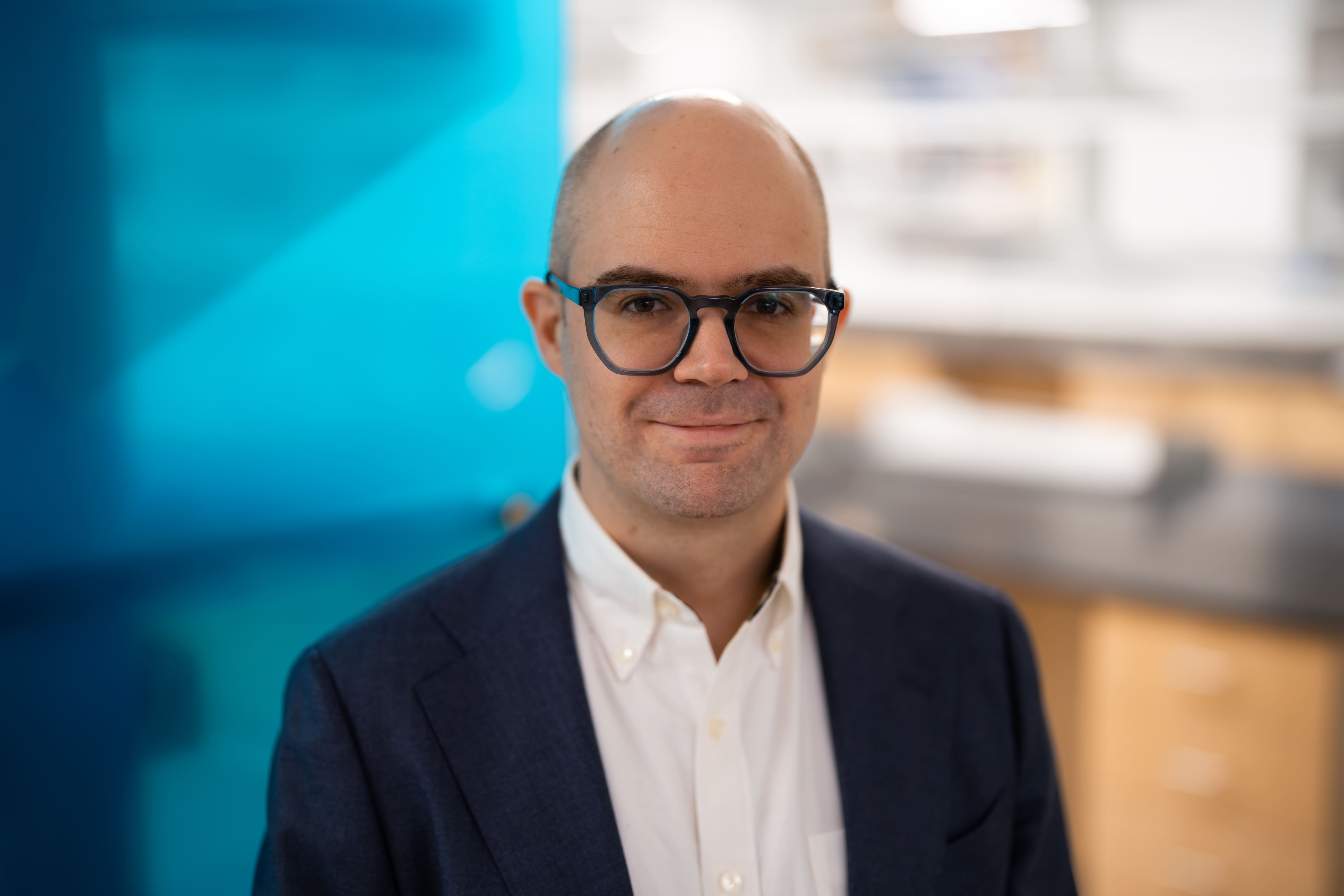
Petter Bjornstad, MD
Executive Director, UW Medicine Diabetes Institute, Professor of Pediatrics and Medicine, Division of Metabolism, Endocrinology and Nutrition, Raisbeck Endowed Chair in Diabetes Research

Laura Pyle, PhD
Research Professor of Medicine Division of Metabolism, Endocrinology and Nutrition, Director, Biostatistics, Integrative Data Sciences and Multicenter Coordination, UW Medicine Diabetes Institute

Kalie Tommerdahl, MD
Associate Professor, Director, Clinical Research Safety, UW Medicine Diabetes Institute
Clinical Team

Nhung “Leena” Nguyen, MPH, CIP, CCRP
Research Manager

Melissa Leroux
Clinical Research Supervisor

Maninder Sethi, PA-C
APP/Investigator

Amelia Johnson
Clinical Research Coordinator

Kevin Bocek, MSW
Clinical Research Coordinator
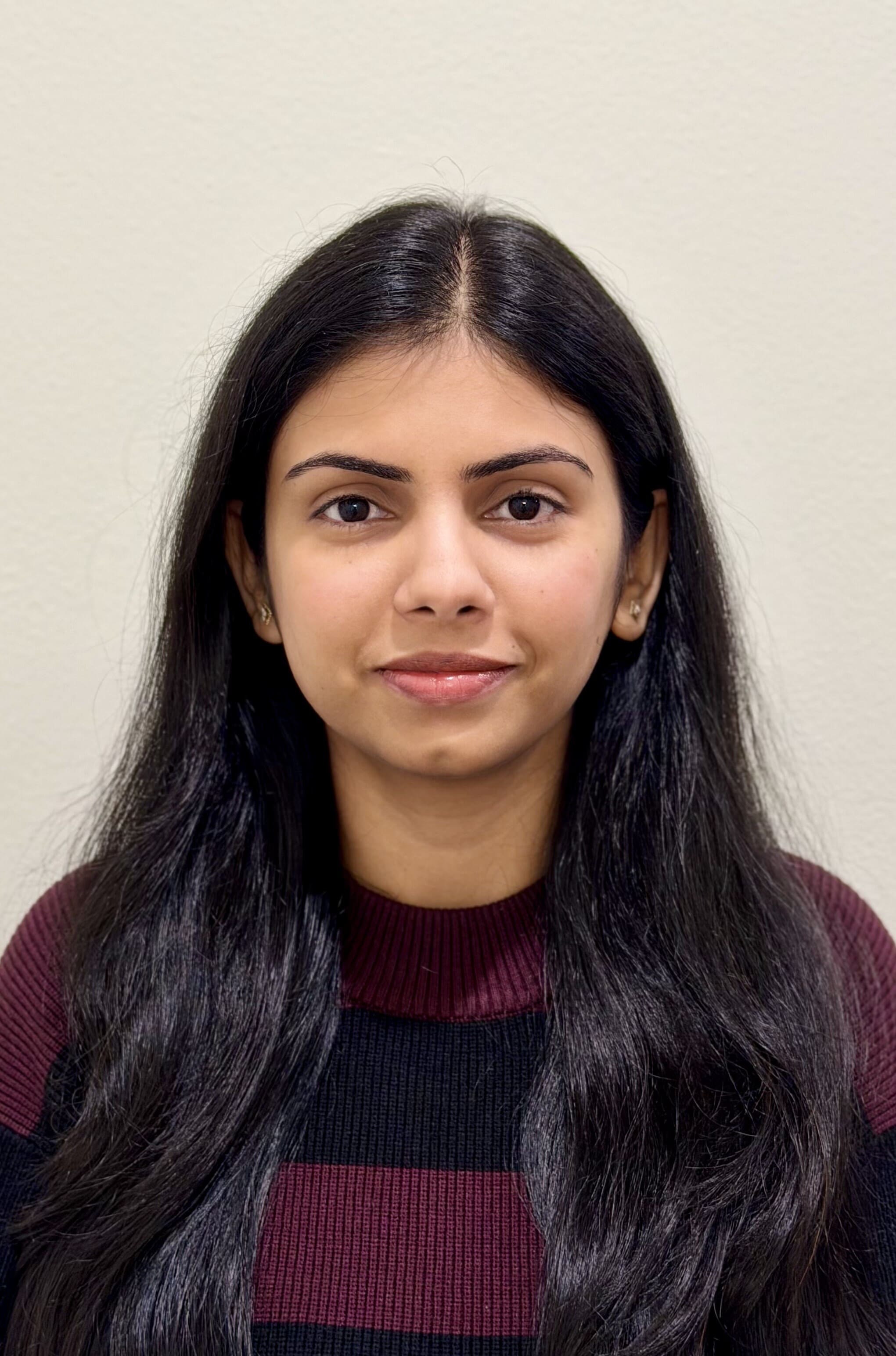
Anjali Kumari
Clinical Research Coordinator

Amanda Bard, MS, CCRC
Clinical Research Coordinator
Data Science Team

Kristen Miller, MS
Senior Research Scientist; Assistant Director for Biostatistics and Data Science

Matteo D’Antonio, PhD
Research Scientist
Dylan Weissenkampen, PhD
Research Scientist
Jairo A. Pinzon Cortes, MD, MSc, PhD
Postdoctoral Researcher

Ye Ji Choi, MPH
Research Scientist
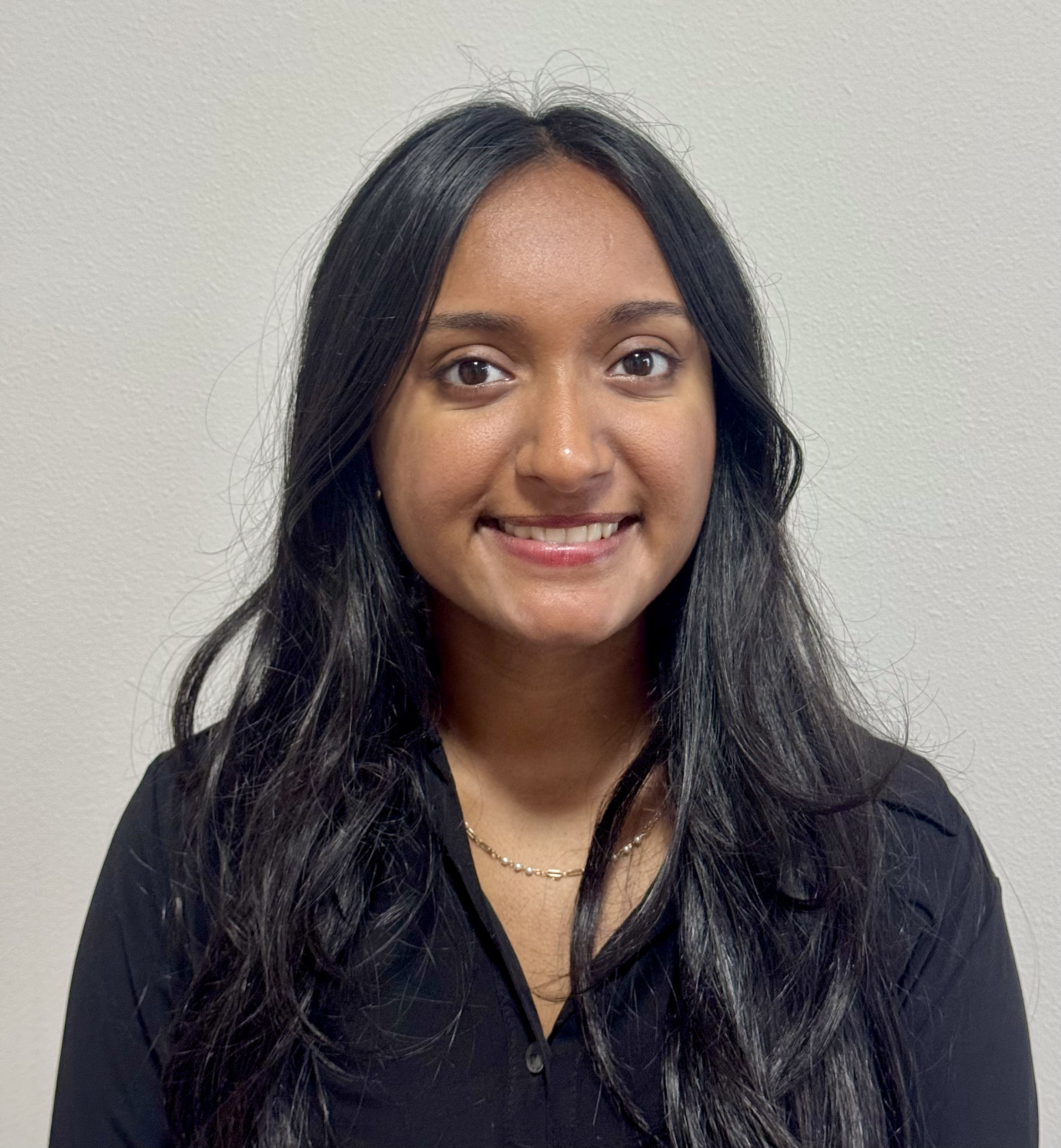
Shivani Ramesh, MS
Research Consultant

Savanah Leidholt, PhD
Postdoctoral Researcher

Tim Vigers, MS
Biostatistician